
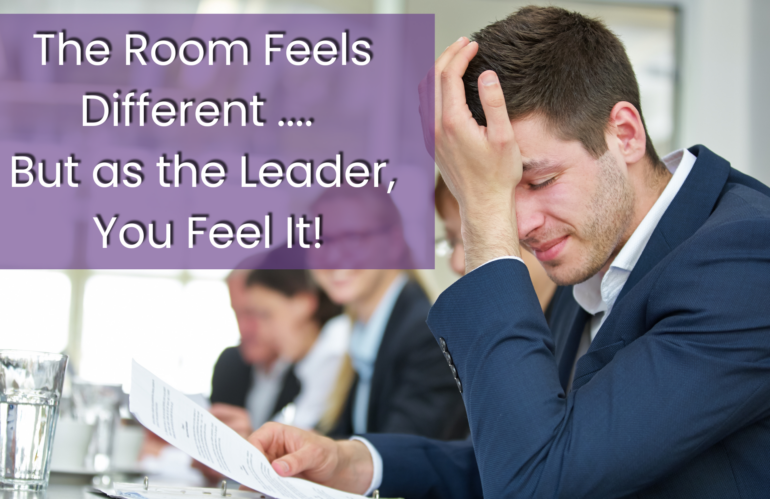
(Before Performance Drops)
Most teams don’t lose motivation overnight.
It happens gradually.
At first, it’s easy to miss.
The energy shifts slightly.
Meetings feel a little quieter.
Fewer people speak up.
Ideas don’t flow like they used to.
Nothing looks broken—but something feels different.
And as leaders, we usually notice it.
We just don’t always act on it.
We tell ourselves:
- “It’s just a busy period.”
- “People are tired.”
- “There’s a lot going on right now.”
And sometimes that’s true.
But sometimes, it’s the beginning of something deeper.

The First Sign Is Almost Always Energy
Before performance drops, energy changes.
You may notice:
- Less enthusiasm in meetings
- Less initiative
- Fewer questions
- Less collaboration
People are still doing their jobs.
But they’re no longer fully engaged.
As leaders, we feel this before we can explain it.
We walk out of meetings thinking:
“That felt different.”
But instead of addressing it, we often normalize it.
We assume it’s temporary.
The reality is—this is often the earliest warning sign.
And the earlier we recognize it, the easier it is to address.
What Leaders Often Notice (But Don’t Always Act On)
Sometimes the clearest signals aren’t in the metrics—they’re in behavior.
As a leader, you may start to notice things like:
Your most enthusiastic team member seems different
The person who usually brings energy, ideas, and positivity…
Now seems:
- quieter
- less engaged
- a little flat
- or even moody
This is one of the strongest early signals.
When your most engaged people start to disengage, it rarely stays isolated.
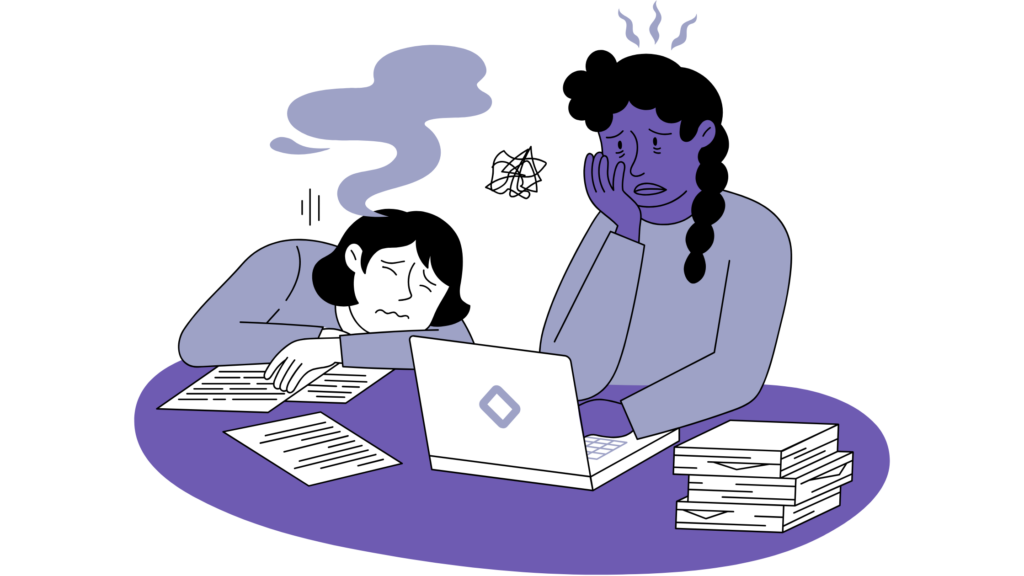
Subtle looks and reactions between team members
In meetings, you begin to notice:
- quick glances between people
- subtle reactions
- eye contact that suggests disagreement—but no one says anything
There’s communication happening…
Just not openly.
This is often a sign that trust or alignment is slipping.
Questions start sounding more skeptical than curious
There’s a shift in tone.
Instead of:
- “How can we make this work?”
You hear:
- “Why are we doing this?”
- “Is this really necessary?”
- “Didn’t we try something like this before?”
Questions become less about understanding…
…and more about doubt.
This is often a sign of low buy-in, not lack of effort.
People respond—but don’t commit
Team members nod in meetings.
They say:
- “Sounds good”
- “Okay”
- “Got it”
But afterward:
- follow-through is inconsistent
- momentum is slow
- energy isn’t there
This is compliance—not commitment.
And compliance does not drive performance.

The room feels different—even when nothing obvious is wrong
This is the hardest one to explain—but leaders feel it.
The meeting runs.
The agenda is covered.
Nothing goes off track.
But something is missing.
Energy.
Engagement.
Connection.
You walk out thinking:
“That felt flat.”
That instinct is usually right.
Then Communication Changes
As energy drops, communication changes.
Teams that used to talk openly start to:
- Hold back ideas
- Avoid conversations
- Communicate less frequently
- Stay in their own lanes
Small misunderstandings become more common.
Alignment starts to slip.
From a leadership perspective, this often shows up as:
- More follow-up is needed
- More clarification is required
- Things don’t move as smoothly
Leaders often respond by pushing harder or becoming more directive.
But the real issue isn’t effort—it’s connection.
And without addressing that, communication continues to decline.
Then Ownership Starts to Fade
Next, ownership begins to decline.
You may notice:
- People doing what’s required—but nothing more
- Less accountability
- Less urgency
- More waiting than leading
At this stage, leaders often feel the pressure increase.
You might think:
- “Why do I have to follow up on everything?”
- “Why isn’t anyone taking initiative?”
- “Why does this feel harder than it used to?”
So what do most leaders do?
They push harder.
They increase expectations.
They check in more often.
They try to drive results through effort.
But when ownership drops, pushing harder rarely fixes the problem.
It often makes it worse.
Because the issue isn’t effort—it’s engagement.
Then Performance Begins to Slip
Eventually, the impact becomes visible:
- Projects take longer
- Standards drop
- Results plateau or decline
Now it’s clear something is wrong.
But by this point, the issue has already been developing for some time.
From a leadership perspective, this is where frustration peaks.
Because now:
- You’re pushing harder
- The team is responding less
- Results are slipping
It feels like resistance.
But in most cases, it’s not resistance.
It’s disengagement.
Why Leaders Often Miss It
Most leaders don’t ignore these signals intentionally.
We notice them.
We just misinterpret them.
We assume:
- It’s temporary
- It’s workload
- It’s stress
- It’s fatigue
And sometimes it is.
But when the pattern continues, it’s something more.
Low morale is rarely a sudden event.
It’s a gradual shift.
And as leaders, our job isn’t just to respond to results—
It’s to recognize the patterns that lead to those results.
Why This Matters
By the time performance drops, the team has already lost momentum.
And rebuilding that momentum becomes much harder.
But if you recognize the early signs:
- Energy
- Communication
- Ownership
You can reset the team much earlier—and much more effectively.
Final Thought
Low morale doesn’t start with performance.
It starts with subtle changes that leaders feel before they can measure.
The question is not whether it’s happening.
The question is whether we recognize it early enough to do something about it.
Over the next few posts, I’ll share more about what causes this—and how leaders can turn it around.